
Beyond compliance: our environmental best practices
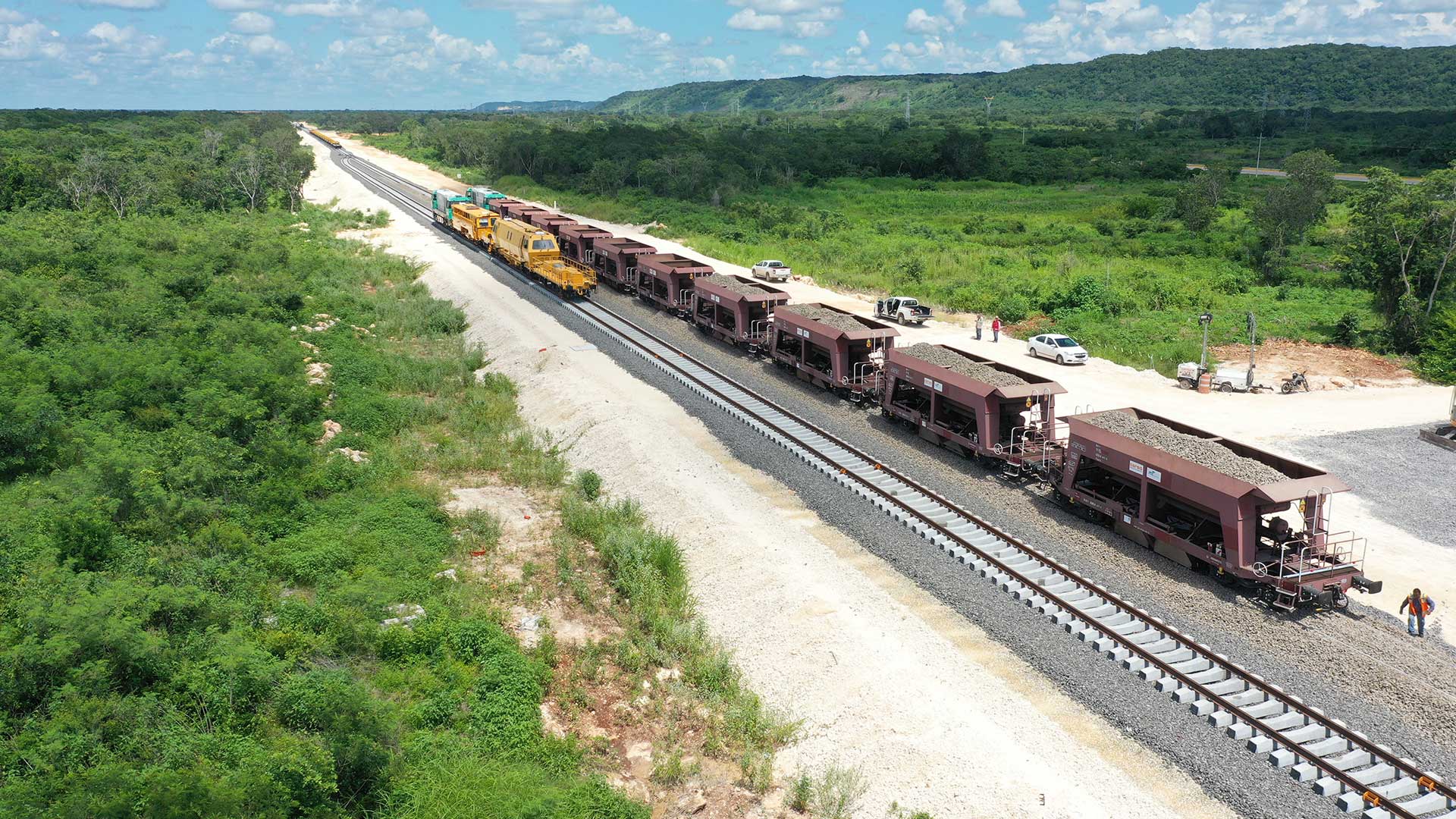
Good environmental practices
Convensa, Contratas y Ventas, has set as a strategic objective the adoption of practices that respect the environment, beyond strict compliance with current regulations.
The practices are developed in the following areas: air, water, soil, atmosphere, environment and biodiversity.
For this, it has an environmental management system certified according to UNE-EN ISO 14.001-2015 and integrated into the company's general management system, applicable to all works and work centers, which has been registered in the General Registry of Intellectual Property, dated July 10, 2009, under the title of "System of evaluation of environmental behavior through good practices".
Good environmental practices respond to the following areas:
Relationship with society
Training, caring for those around us, and the experiences we share and learn from are elements that shape our presence in our environment and are key to the final outcome of Convensa's activities.
Atmospheric Emissions
Earthmoving, machinery operation, and the demolition of buildings and structures are the activities that cause the most significant emissions of dust and particulate matter.
Noise and Vibration Generation
Regarding noise and vibration, efforts are focused on actions that directly result in lower noise levels or indirectly cause minor disturbances to those affected, depending on the schedules, uses, and customs of the affected area.
Water spills
Water is a valuable resource, and Convensa Construcción's activities involve consumption, riverbank development, watercourse diversion, and wastewater discharge. The company's actions are aimed at increasing water use efficiency and eliminating associated wastewater discharges.
Soil occupation, contamination or loss
Soil is a non-renewable resource in the short and medium term, characterized by its high vulnerability. Among the measures adopted, the restoration of areas affected by temporary construction facilities or access and occupancy restrictions stands out.
Use of natural resources
Convensa's activity faces the need to optimize the consumption of resources used, which is not always directly attributable to the execution phase, where the materials that the project demands are processed, but where their application can be optimized with proper waste management.
Waste generation
Waste generated during construction activities is one of the main environmental problems associated with the construction industry, as it contributes significantly to environmental degradation. This is compounded by the depletion of landfill space and the need to optimize resource consumption. For these reasons, proper waste management is essential, including identifying the types of waste that will be generated on the construction site and forecasting the quantities that will be produced.
Land use planning (biological diversity, urban environment)
In addition to abiotic factors (water, atmosphere, soil), the construction sector also has a clear impact on biotic factors, such as vegetation and species present in the surrounding environment. Biodiversity conservation is another major environmental challenge that concerns Convensa. The measures implemented focus particularly on physical protection, relocation, and adapting work schedules to the life cycles of various species. Furthermore, practices that minimize disruption to the community's daily life are common, such as preventing litter at the entrance and exit of the construction site and facilitating access when sidewalks or roads are occupied.
Greenhouse Gas (GHG) Measurement Protocol
A Greenhouse Gas Measurement Protocol has been implemented in construction projects, designed to quantify these emissions and potentially reduce them. This initiative involved adapting software applications to improve sampling, quantification, and subsequent statistical analysis of greenhouse gas emissions from construction activities. It received public recognition, winning an honorable mention in the "Management for Sustainable Development" category at the 12th European Environment Awards. The measurement protocol was developed in accordance with the requirements of the UNE-ISO 14064-1:2006 standard and within the framework of the ENCORD sectoral reference, the first standard to receive the "Built on GHG" logo from the GHG Protocol.